




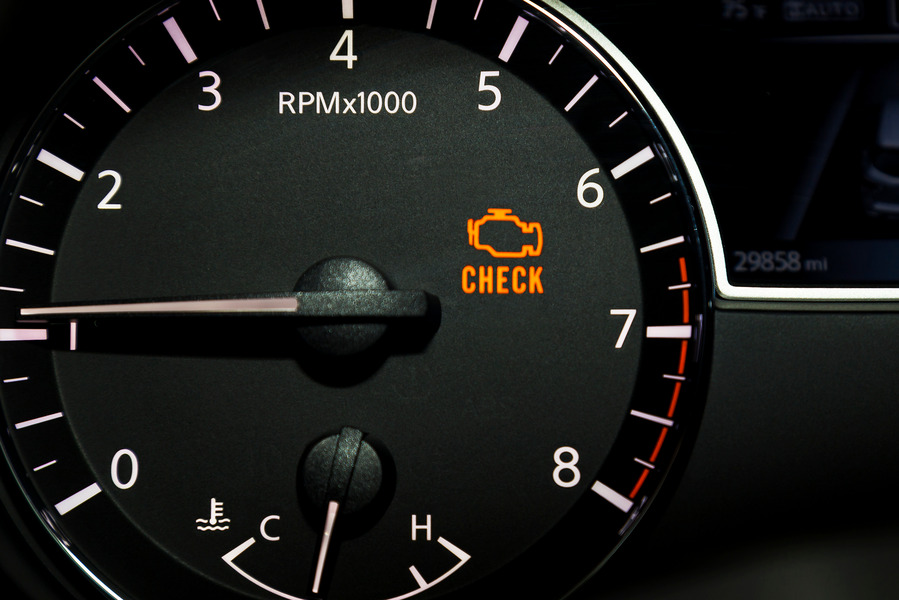
When the check engine light illuminates on your Chevrolet or GMC vehicle, it’s a sign that something may be wrong under the hood. While it’s easy to feel overwhelmed or frustrated when the light appears, it’s important to understand that this light is not always an immediate cause for panic. Instead, it’s a diagnostic tool designed to alert you to potential issues. This article will guide you through the steps you should take when the check engine light comes on and help you determine what to do next.
Understanding the Check Engine Light
The check engine light (CEL), also known as the malfunction indicator light (MIL), is part of your vehicle’s onboard diagnostics (OBD) system. When something is wrong with the engine or emission system, the OBD system triggers the CEL to notify the driver. The light could indicate a minor issue, like a loose gas cap, or something more serious, like a malfunction in the engine or exhaust system.
There are two primary types of check engine light warnings:
- Solid Yellow or Amber CEL: This is a general warning that indicates an issue with the engine or emission system. In most cases, this means that your vehicle can still be driven, but it should be diagnosed as soon as possible.
- Flashing CEL: A flashing light is a more serious warning that indicates a significant problem, such as a misfire or a critical engine issue. If the light is flashing, you should pull over and stop driving as soon as it’s safe, as continuing to drive may cause further damage.
Immediate Steps to Take When the Check Engine Light Comes On
1. Check for Obvious Issues
Before you do anything else, it’s a good idea to check for any simple issues that may be triggering the light. Some common problems that can cause the CEL to come on include:
- Loose or Damaged Gas Cap: One of the most common causes of a CEL is a loose or damaged gas cap. This can cause a drop in fuel pressure, triggering the light. Make sure the gas cap is securely tightened and properly sealed.
- Low Oil Level or Leaks: Insufficient oil levels or oil leaks can also trigger the CEL. Make sure to check the oil level, and if needed, top it off. If there’s evidence of leaks, it’s best to schedule a service appointment.
- Underinflated Tires: While not directly related to the engine, underinflated tires can cause stress on the engine, affecting performance and fuel efficiency. Always check the tire pressure if you notice the light appears.
2. Look for Additional Warning Lights
If the CEL comes on alongside other warning lights, such as the oil pressure light, temperature gauge, or brake system warning, it’s a clear signal that your vehicle needs attention. Multiple warning lights can indicate a more serious problem with the engine or another critical system, requiring immediate professional diagnosis.
3. Avoid Panic, But Don’t Ignore the Check Engine Light
In many cases, a solid yellow check engine light doesn’t require immediate action but should not be ignored for long. Driving with a check engine light on for too long can cause further damage to your vehicle, possibly leading to more expensive repairs down the line. Even if the vehicle seems to be running fine, it’s always a good idea to schedule a diagnostic check to ensure everything is functioning properly.
If the check engine light is flashing, however, this indicates a more urgent issue, and driving should be avoided until the problem is addressed. A flashing check engine light often points to a problem that can damage the engine, such as a misfire.
How to Diagnose the Problem
1. Use an OBD-II Scanner
To pinpoint the cause of the check engine light, you can use an OBD-II scanner. These scanners connect to your vehicle’s OBD-II port, located beneath the dashboard, and provide a trouble code that indicates where the issue may lie. Many auto parts stores offer free OBD-II scans, or you can purchase your own scanner for personal use.
While the scanner will give you an error code, it’s important to understand that this code is a starting point, not a full diagnosis. You’ll need a trained technician to analyze the code and assess the underlying problem in detail.
2. Schedule a Service Appointment
At North Country Chevrolet GMC, we offer professional diagnostic services for all Chevrolet and GMC vehicles. Our experienced technicians can run a complete diagnostic test to identify the issue triggering the check engine light. We will then provide you with a detailed explanation of the problem and recommend the best course of action for repairs.
Don’t hesitate to bring your vehicle to our service center in Hibbing, MN, for a thorough inspection. We’ll work quickly to address the issue and ensure that your vehicle is running smoothly.
Common Causes of the Check Engine Light
1. Oxygen Sensor Failure
The oxygen sensor is responsible for measuring the level of oxygen in your exhaust gases. It helps your engine run efficiently and reduces harmful emissions. A faulty oxygen sensor can lead to poor fuel economy and higher emissions, and it will trigger the check engine light. Replacing a malfunctioning oxygen sensor can help restore proper engine function.
2. Catalytic Converter Issues
The catalytic converter helps reduce exhaust emissions and is essential for maintaining your vehicle’s environmental performance. If the catalytic converter is failing, your vehicle may experience poor acceleration, increased fuel consumption, and rough idling. This issue will trigger the check engine light and should be addressed promptly to prevent further damage.
3. Mass Airflow Sensor Problems
The mass airflow (MAF) sensor measures the amount of air entering the engine and helps the vehicle’s computer adjust the fuel-to-air ratio for optimal performance. A malfunctioning MAF sensor can lead to engine performance issues, such as poor acceleration, stalling, or rough idle. If the sensor is faulty, it will cause the check engine light to come on.
4. Ignition Coil Failure
The ignition coil is responsible for providing the spark that ignites the air/fuel mixture in the engine. If one of the ignition coils fails, the engine may misfire, causing the CEL to illuminate. Misfires can lead to poor fuel efficiency, engine damage, and increased emissions. Ignition coil replacement is a common fix for this issue.
What to Do After the Check Engine Light Is Fixed
Once you’ve had your Chevrolet or GMC vehicle repaired and the check engine light turned off, it’s important to monitor the vehicle for any recurring problems. If the light comes back on shortly after repairs, it may indicate an unresolved issue or a new problem that needs to be addressed.
At North Country Chevrolet GMC, we offer thorough inspections and repair services to ensure that your check engine light doesn’t come on again after fixing the issue. Our experienced technicians will conduct a detailed diagnostic check to ensure that all systems are operating as they should.
Connect with us
