




When it comes to vehicle maintenance, new tires play a crucial role in both performance and safety. The right set of tires ensures smooth driving, optimal fuel efficiency, and better handling on various road conditions. At North Country Chevrolet GMC in Hibbing, MN, we understand how essential it is to choose the right tires for your vehicle, whether you’re looking for all-season performance or a specialized option for off-roading. In this article, we’ll cover everything you need to know about tires, from types and features to maintenance tips and when to replace them.
The Importance of Tires and Purchasing them in Hibbing
Tires are the only point of contact between your vehicle and the road, which makes them incredibly important for safety and overall driving experience. High-quality tires contribute to:
- Traction and Grip: Tires provide the necessary friction between your vehicle and the road surface, which helps maintain control, especially during adverse weather conditions like rain, snow, or ice.
- Handling and Stability: The right tires ensure your car handles smoothly around corners, brakes efficiently, and provides a comfortable ride.
- Fuel Efficiency: Tires with lower rolling resistance contribute to better fuel economy, allowing you to drive further on less fuel.
- Safety: Properly inflated and maintained tires can significantly reduce the risk of accidents, especially in wet or icy conditions.
Understanding Different Types of Tires
Not all tires are created equal, and choosing the right tire depends on your vehicle type, driving habits, and local climate. Here’s an overview of the different types of tires available:
- All-Season Tires: These tires are designed to perform well in a variety of conditions, including dry, wet, and light winter driving. All-season tires offer a balance of performance, comfort, and durability, making them ideal for year-round use in moderate climates.
- Winter Tires (Snow Tires): If you live in an area with harsh winters, winter tires are a must. These tires are made from a special rubber compound that remains flexible in cold temperatures, providing better traction on snow, ice, and slush. They feature deeper treads and unique patterns to enhance grip in winter conditions. These are an ideal choice for new tires in Hibbing.
- Summer Tires: Built for warm weather, summer tires provide superior handling and traction in dry and wet conditions. However, they are not suitable for cold temperatures or snow, as the rubber tends to harden and lose its effectiveness in freezing conditions. These may not be a suitabale choice for new tires in Hibbing.
- Performance Tires: Designed for high-speed stability and handling, performance tires are commonly used on sports cars and high-performance vehicles. They offer enhanced grip on dry roads and improved cornering but may not be as durable or suitable for rough weather conditions.
- Off-Road Tires: For drivers who enjoy off-roading or rugged terrain, off-road tires are essential. These tires have reinforced tread patterns and stronger sidewalls, allowing them to perform well on dirt, mud, and gravel. They are ideal for trucks and SUVs used in off-road adventures.
Key Tire Features You Should Know
When choosing tires, it’s important to consider various features that contribute to performance, durability, and comfort. These include:
- Tread Pattern: The tread pattern is what comes into contact with the road. It plays a significant role in traction, water displacement, and overall performance. There are several types of tread patterns, including:
- Symmetrical Tread: Common in all-season tires, this pattern provides balanced performance and is suitable for everyday driving.
- Asymmetrical Tread: Found in performance tires, asymmetrical treads are designed for high-speed stability and superior grip on dry and wet roads.
- Directional Tread: Best for winter and performance tires, this V-shaped pattern helps with water dispersion and traction, particularly in snow and rain.
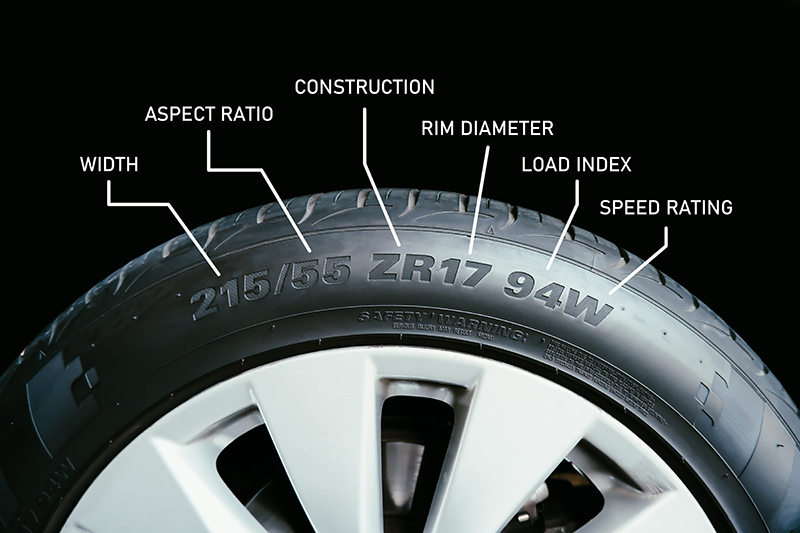
- Tire Size: Tire size affects the ride quality and handling of your vehicle. You’ll find the recommended tire size for your vehicle in the owner’s manual or on the tire placard inside the driver’s door. The size includes the tire width, aspect ratio (sidewall height), and diameter, and it’s important to match these specifications for optimal performance.
- Load Rating and Speed Rating: The load rating indicates how much weight a tire can safely carry, while the speed rating tells you the maximum speed the tire can handle without risk of failure. These ratings are especially important for performance vehicles or heavy-duty trucks.
- Tire Pressure Monitoring System (TPMS): Many modern vehicles come equipped with a TPMS, which alerts drivers when tire pressure is low. Maintaining proper tire pressure is critical for safety, performance, and fuel efficiency.
When to Purchase New Tires in Hibbing
Knowing when to replace your tires can make a significant difference in your vehicle’s safety and performance. Here are some indicators that it may be time for new tires in Hibbing:
- Tread Wear: Check the tread depth using a tread depth gauge. If the tread is worn down to 2/32 of an inch, it’s time for new tires. Many tires have tread wear indicators built into them, which become visible when the tread has worn too thin.
- Cracks or Bulges: Inspect the sidewalls for any cracks, bulges, or punctures. These signs can indicate structural damage to the tire, which could lead to a blowout. If you find any, replace the tire immediately.
- Vibration: If your vehicle starts vibrating or pulling to one side while driving, it could indicate uneven tire wear or misalignment. Have your tires inspected by a professional to determine if a replacement is necessary.
- Age of Tires: Even if your tires appear to be in good condition, they can deteriorate over time. Tires should be replaced every six years, even if they haven’t been heavily used. The rubber can degrade and lose its effectiveness, increasing the risk of failure.
Maintenance Tips For Old and New Tires
Maintaining your tires properly can extend their lifespan, improve performance, and keep you safe on the road. Here are some essential tire maintenance tips:
- Check Tire Pressure Regularly: Tire pressure should be checked monthly, as low pressure can reduce fuel efficiency, increase wear, and affect handling. Always check tire pressure when the tires are cold.
- Rotate Your Tires: Rotating your tires every 6,000 to 8,000 miles ensures even wear across all four tires. This helps prolong their lifespan and improves handling.
- Balance and Align Your Tires: Proper wheel alignment and balancing help prevent uneven wear, improve fuel economy, and ensure a smoother ride.
- Inspect Tires for Damage: Regularly inspect your tires for any signs of damage, including punctures, cracks, or bulges. Catching issues early can prevent costly repairs or replacements down the road.
Choosing the right tires depends on your driving needs, vehicle type, and local climate. At North Country Chevrolet in Hibbing, MN, our team is here to help you select the perfect tires for your car, truck, or SUV. We offer a wide range of tires designed for various conditions, ensuring your vehicle performs at its best no matter where the road takes you.
Visit us today to explore our tire options, get expert advice, and schedule a tire checkup or replacement. Keeping your tires in top condition is key to maintaining the overall health and safety of your vehicle.
Connect with us
